All stories · Article
Amazon and Walmart are fighting for the future of retail media
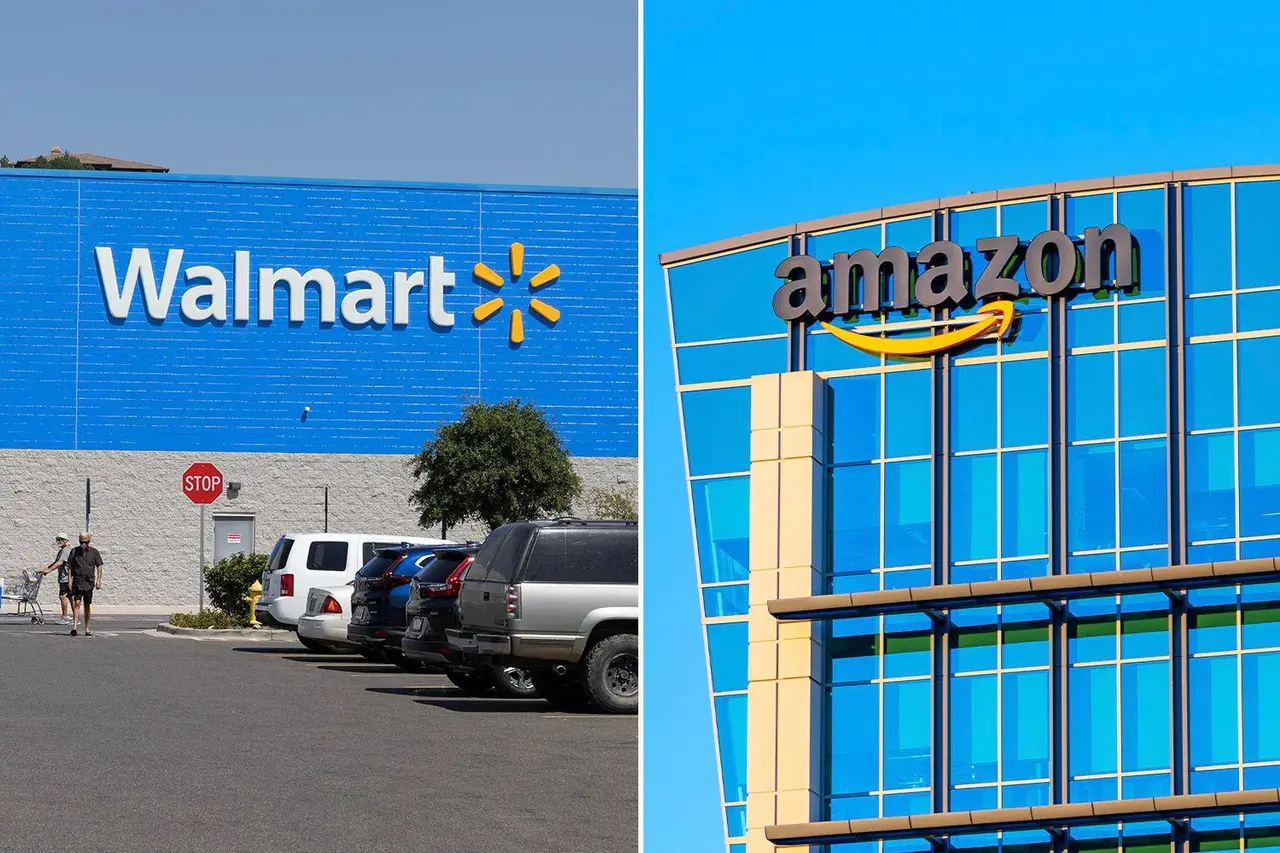
Amazon and Walmart control 88% of the US retail media market, which is projected to reach $74.4 billion in advertising spending in 2026.
Share: WhatsApp · Telegram · X · Facebook · LinkedIn · Email

Their business is built around a valuable position: being where consumers search for products, compare options, and make purchases. Brands pay to place sponsored products and ads in front of shoppers at these moments.
But AI shopping agents could change where those decisions happen. And that puts pressure on the business model behind one of retail's most lucrative advertising markets.
AI is changing who controls product discovery
Retail media works because retailers own the shopping environment.
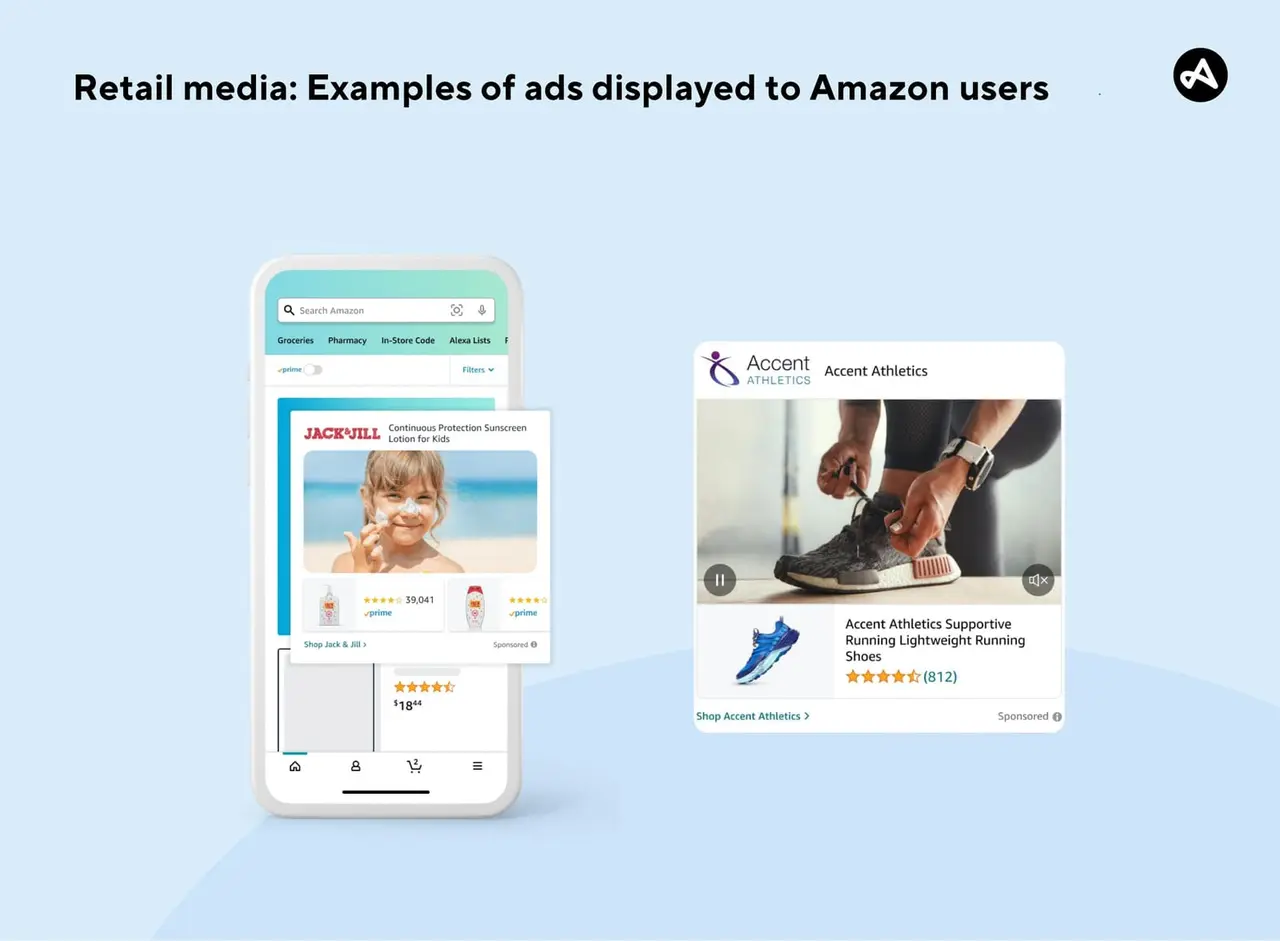
When consumers search for a product on Amazon or Walmart, the platforms can show sponsored listings alongside organic results. They also have access to first-party data about what shoppers browse, search for, and buy. That makes their advertising attractive to brands: ads reach consumers close to the point of purchase, and retailers can connect ad exposure to actual transactions.
AI shopping agents introduce a new intermediary.
Instead of visiting a retailer's website, a consumer can ask ChatGPT or another AI agent to find a product, compare alternatives, and potentially complete the purchase. The AI becomes the starting point for product discovery, while the retailer risks becoming just one destination among many.
The threat is not simply that shoppers spend less time on retailer websites. It is that retailers could lose control over the moment when consumers discover products and make purchase decisions.
That matters for advertising. If an AI agent selects products before shoppers ever see a retailer's sponsored listings, brands may have less reason to pay for those placements. Retailers could also lose visibility into the search and purchase signals that help them target ads and measure performance.
Reuters reported that Morgan Stanley analysts estimate AI agents could account for 10% to 20% of US e-commerce spending by 2030. That is a forecast, not a measure of current adoption. For now, retail media spending is still growing. EMARKETER expects US retail media ad spending to rise 22.6% in 2026.
The more likely story is an evolution in where advertising appears and how retailers monetize shopping journeys, rather than the immediate disappearance of retail media.
Sources: Reuters, November 4, 2026 · EMARKETER, 2026 forecast
Amazon and Walmart are choosing different ways to stay in the journey
Both companies want to remain part of shopping as AI takes on more of the discovery and purchasing process. But they are drawing the boundaries differently.
Amazon: Bring more products into its own shopping environment
Amazon's Shop Direct allows products from eligible stores outside Amazon Marketplace to appear in relevant searches on Amazon and in Alexa for Shopping.
Customers can select a Shop Direct product and visit the merchant's website to complete the purchase. For eligible products, Amazon's Buy for Me feature can also handle the purchase process on the customer's behalf.
The important point is that Shop Direct does not require Amazon to own every product it helps customers discover. It keeps Amazon as the place where discovery begins.
On November 4, 2026, Amazon introduced the Shop Direct Merchant Workspace, a free self-service portal that makes it easier for eligible merchants to connect their stores and product catalogs to Amazon. The program itself had launched earlier, in 2025. The new workspace simplifies merchant onboarding and catalog connection.
Amazon says Shop Direct products are already appearing in hundreds of millions of searches each month. These are company-reported figures, not independently audited performance data.
Source: Amazon, November 4, 2026
This strategy fits a broader approach to controlling the shopping experience. Amazon has also pushed back against some third-party AI agents accessing its platform, including blocking Meta's Muse and challenging Perplexity's Comet shopping agent.
The distinction is important: Amazon is expanding the range of products available through its own AI-powered shopping experience, but that does not mean it is opening its platform to any external agent that wants to shop there.
Source: Reuters, November 4, 2026
Walmart: Let external AI agents shop through its system
Walmart is taking a more open approach to external AI agents.
On October 21, 2026, it announced Agent Gateway and Agent Profiles. Agent Gateway gives approved AI agents a direct way to connect with Walmart's systems, search its product catalog, and make purchases. Walmart says the connection is designed to be more reliable than agents navigating a website built for human users.
Agent Profiles give each authorized agent a separate identity within a customer's Walmart account. Customers can track agent purchases, set spending limits, require approval for every transaction, or revoke access.
The idea is to let customers use the AI assistant of their choice while Walmart remains the retailer fulfilling the order.
Rather than bringing every product into Walmart's own discovery environment, Walmart wants its products and transaction system to be available inside external AI experiences.
This is not an unrestricted opening. Walmart sets rules for what agents can access and do. Agents cannot access customers' payment-card details, and they must follow the customer's permissions. The company says it will block agents that violate its terms.
Source: Walmart, October 21, 2026
Two strategies, one underlying battle
The contrast is clear:
- Amazon wants to keep product discovery within its own shopping ecosystem, while expanding the range of products customers can find there.
- Walmart wants its commerce infrastructure to work across external AI platforms, so customers can shop with the agents they already use.
These are not just different ways to adopt AI. They reflect two approaches to controlling the next shopping interface.
Amazon is extending its own destination. Walmart is making its retail system accessible through other destinations.
But both are trying to preserve the same valuable position: access to the consumer at the moment a product is discovered, evaluated, and purchased.
That is the deeper contest behind the $74.4 billion retail media market. The question is no longer only who owns the storefront. It is who owns the shopping journey when the consumer may never visit that storefront at all.
Ask AI next
- What are the eligibility requirements for a Shopify merchant to join Amazon's Shop Direct program?
- How can I check if AI shopping agents like ChatGPT or Perplexity are already sending traffic to my store?
- Why does Amazon block agents like Perplexity's Comet while building its own agentic shopping feature?
- Are other major retailers besides Amazon and Walmart building similar AI shopping agent systems?
- What tools or plugins exist to make a Shopify store ready for AI shopping agents to discover and buy?