All stories · Article
FDA proposes allowing the compound NAC (N-acetyl-L-cysteine) as an ingredient in US dietary supplements
Share: WhatsApp · Telegram · X · Facebook · LinkedIn · Email

On November 16, 2026, the US Food and Drug Administration (FDA) announced a proposed rule that could allow N-acetyl-L-cysteine (NAC) to be legally marketed as a dietary supplement ingredient in the United States.
The proposal could resolve a regulatory dispute that has kept NAC in legal limbo for years. But it does not change the rules today. NAC products are still covered by the FDA’s temporary enforcement discretion policy introduced in August 2022. Formal recognition as a dietary supplement ingredient will depend on whether the FDA finalizes the proposed rule.
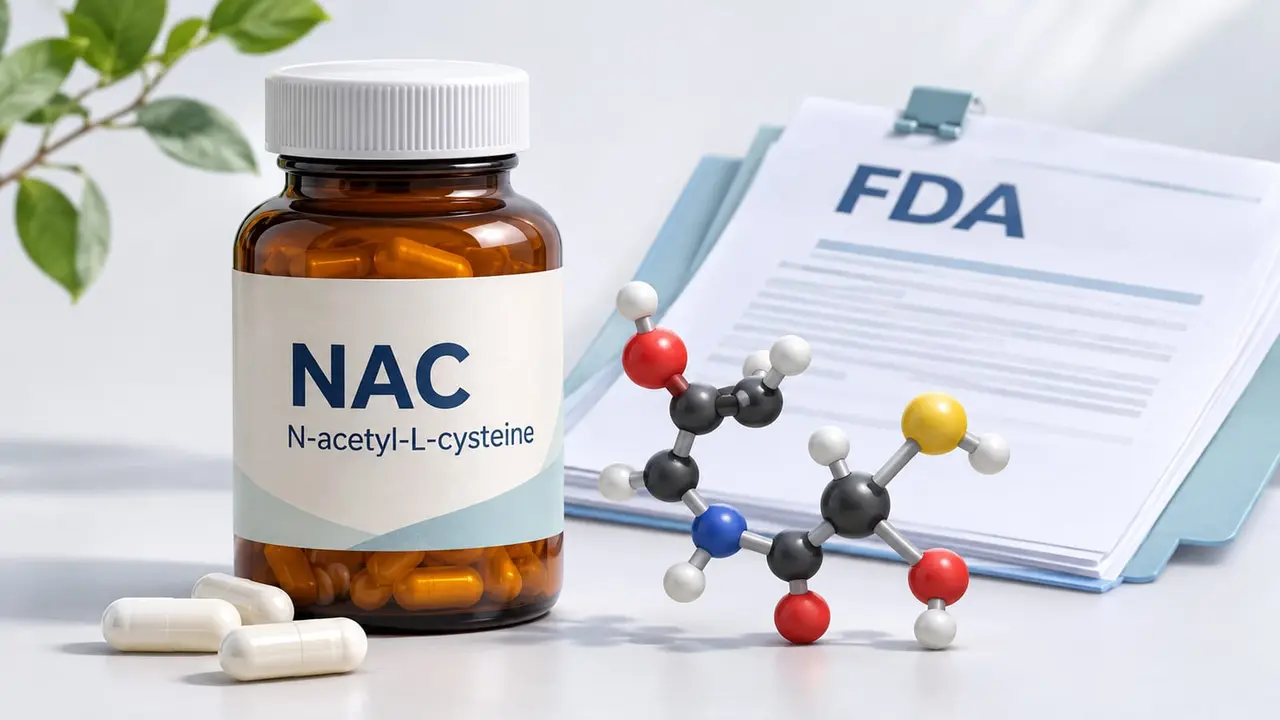
For supplement brands selling in the US, the distinction matters. Previous regulatory uncertainty already disrupted NAC distribution, including a period when Amazon removed NAC supplements from its marketplace for more than a year.
Why an ingredient sold for decades disappeared from Amazon
NAC is a derivative of the amino acid L-cysteine. It has been used in dietary supplements in the US for more than 30 years, but its regulatory status became a problem because the FDA had approved it as a drug much earlier.
In 1963, the FDA approved NAC as an inhaled medication used to help break down mucus. It later approved NAC for treating acetaminophen overdose.
Under the Drug Exclusion Provision of the Federal Food, Drug, and Cosmetic Act, an ingredient approved as a drug before being marketed as a dietary supplement can be excluded from the legal definition of a dietary supplement.
That provision became the basis of the FDA's position on NAC.
- July 2020: The FDA issued warning letters stating that NAC could not legally be marketed as a dietary supplement because of its prior drug approval.
- May 2021: Amazon began removing NAC-containing dietary supplements from its marketplace.
- August 2022: The FDA announced temporary enforcement discretion for certain NAC products. Amazon subsequently resumed sales.
According to NutraIngredients, Amazon had stopped selling NAC supplements for more than a year before allowing them back in August 2022.
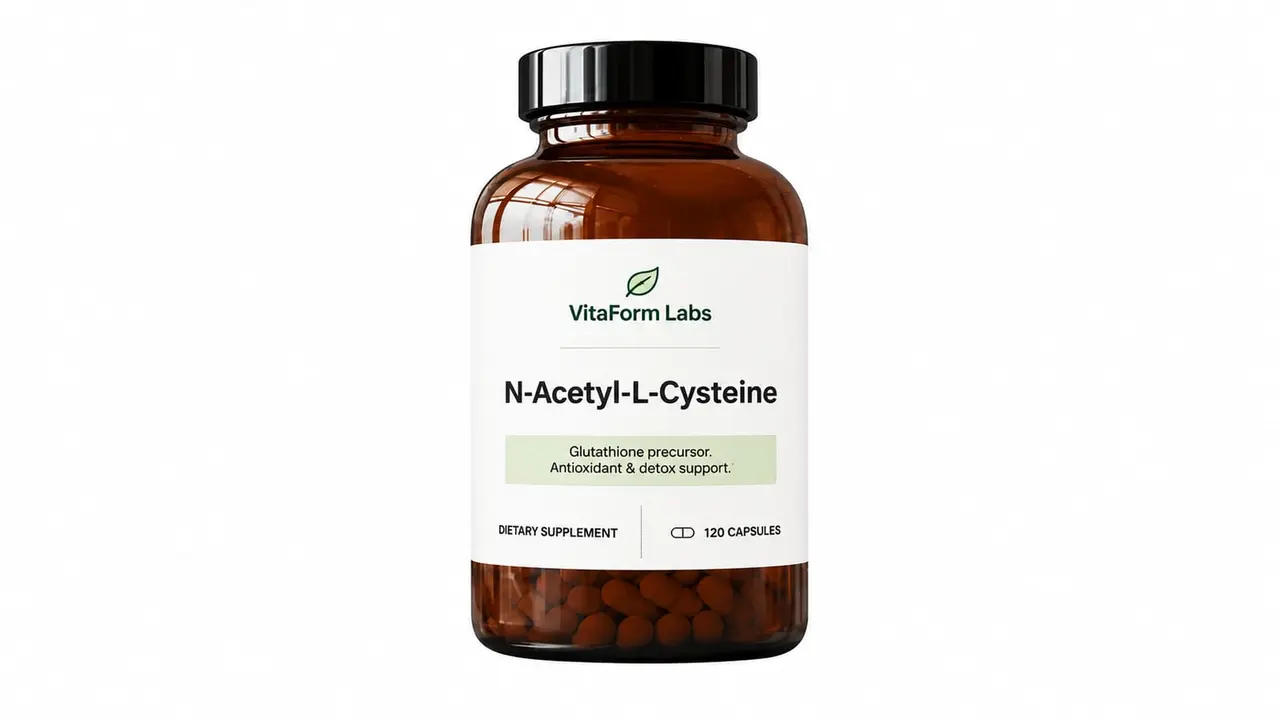
The episode shows how regulatory uncertainty can affect distribution even without a formal product ban. For supplement brands, a change in regulatory interpretation can quickly become a marketplace and sales issue.
What is the FDA proposing for NAC?
The FDA proposes adding NAC to a new regulatory category: Dietary Ingredients Not Excluded from the Dietary Supplement Definition.
The proposed regulation, 21 CFR 190.1, would list NAC as its first ingredient. It would also leave room for additional ingredients to be added in the future.
If finalized, the rule would remove NAC's exclusion from the dietary supplement definition, allowing products containing it to be marketed legally as dietary supplements, provided they meet the other applicable requirements of the FD&C Act.
The announcement has attracted attention beyond the supplement industry.
STAT described the development as a win for the Make America Healthy Again (MAHA) movement, highlighting its political significance.
However, the proposal is not yet a final regulation. Published in the Federal Register on November 17, 2026, it opens a 60-day public comment period before the FDA considers moving forward.
NAC is still being sold under a temporary FDA policy
Under the FDA's current interpretation of the law, NAC remains excluded from the dietary supplement definition because it was approved as a drug before being marketed as a supplement.
In August 2022, the FDA issued guidance on its enforcement discretion policy for certain NAC products.
The policy covers products that would otherwise qualify as lawful dietary supplements if NAC were not excluded, provided they do not independently violate the FD&C Act.
The FDA has confirmed in its November 16 announcement that it will continue this policy while the rulemaking process is underway.
For sellers, this means:
- NAC has not yet received formal recognition as a dietary supplement ingredient under the proposed rule.
- Eligible NAC products can continue to benefit from the temporary enforcement discretion policy.
- The November 16 proposal does not create a new legal authorization today.
In short, the legal basis for selling eligible NAC products remains the same as it was before the announcement.
What changes if the rule is finalized?
If the FDA finalizes the proposal, NAC will no longer be excluded from the dietary supplement definition. Brands will have a clearer legal basis for selling NAC-containing products as dietary supplements in the US.
The FDA is accepting public comments for 60 days following the November 17 Federal Register publication. Comments can be submitted through Regulations.gov under docket FDA-2025-N-2699.
The FDA proposes that the final rule take effect immediately upon publication. However, the final effective date has not yet been confirmed.
If the rule is finalized, the FDA intends to withdraw its 2022 enforcement discretion guidance, replacing the temporary policy with a formal regulatory exception.
Even then, NAC products must still comply with the regulations governing dietary supplements, including:
- Current Good Manufacturing Practices (cGMP) under 21 CFR Part 111.
- Requirements against adulterated products and misbranding.
- Existing restrictions on disease-related claims.
In other words, legal recognition as a dietary supplement ingredient does not give brands permission to market NAC as a treatment for specific diseases. See the FDA's guidance on dietary supplement claims.
The Council for Responsible Nutrition (CRN) also noted that the proposal addresses NAC specifically, without establishing a clear process for other ingredients that may face similar drug exclusion issues.
What supplement sellers should take away
The NAC proposal is a positive development, but sellers should distinguish between three stages:
- Enforcement discretion: The FDA temporarily chooses not to pursue enforcement against certain qualifying products.
- Proposed rule: The FDA publishes a proposed regulatory change and invites public comments.
- Final rule: The FDA formally adopts the regulation, which takes effect according to its effective-date provisions.
NAC is currently at the second stage.
For brands and Shopify stores selling supplements in the US, the next meaningful change will come when the FDA finalizes the rule. Until then, eligible NAC products remain covered by the existing temporary policy, and all other dietary supplement compliance requirements still apply.
Sources · 8 · fda.gov, federalregister.gov, statnews.com +3
- FDA: Proposed Rule on NAC Products Marketed as Dietary Supplements, November 16, 2026
- Federal Register: Rulemaking to Provide That NAC Is Not Excluded from the Dietary Supplement Definition
- FDA: Guidance for Industry, Policy Regarding N-Acetyl-L-Cysteine, August 2022
- STAT: FDA Proposes New Category for Dietary Supplement NAC, November 16, 2026
- Nutritional Outlook: FDA Proposes Rule to Allow NAC as a Dietary Supplement Ingredient
- NutraIngredients: NAC Supplements Back on Amazon, August 25, 2022
- Council for Responsible Nutrition: Response to FDA's Proposed NAC Rule, November 16, 2026
- FDA: Questions and Answers on Dietary Supplements