All stories · Hot News
PayPal's new virtual-card rules leave some AI agent orders without Seller Protection
PayPal's new Agentic Virtual Card terms took effect on November 23. For eligible U.S. business accounts, the change means AI-driven purchases settled through these virtual cards follow card-network rules, not PayPal's Seller Protection program.
Share: WhatsApp · Telegram · X · Facebook · LinkedIn · Email

PayPal is positioning itself as a payment infrastructure provider for AI-driven shopping.
On its Agent Ready page, PayPal says merchants already accepting PayPal can connect to participating AI shopping channels through their existing payment integrations. Eligible agentic transactions may also qualify for Seller Protection.
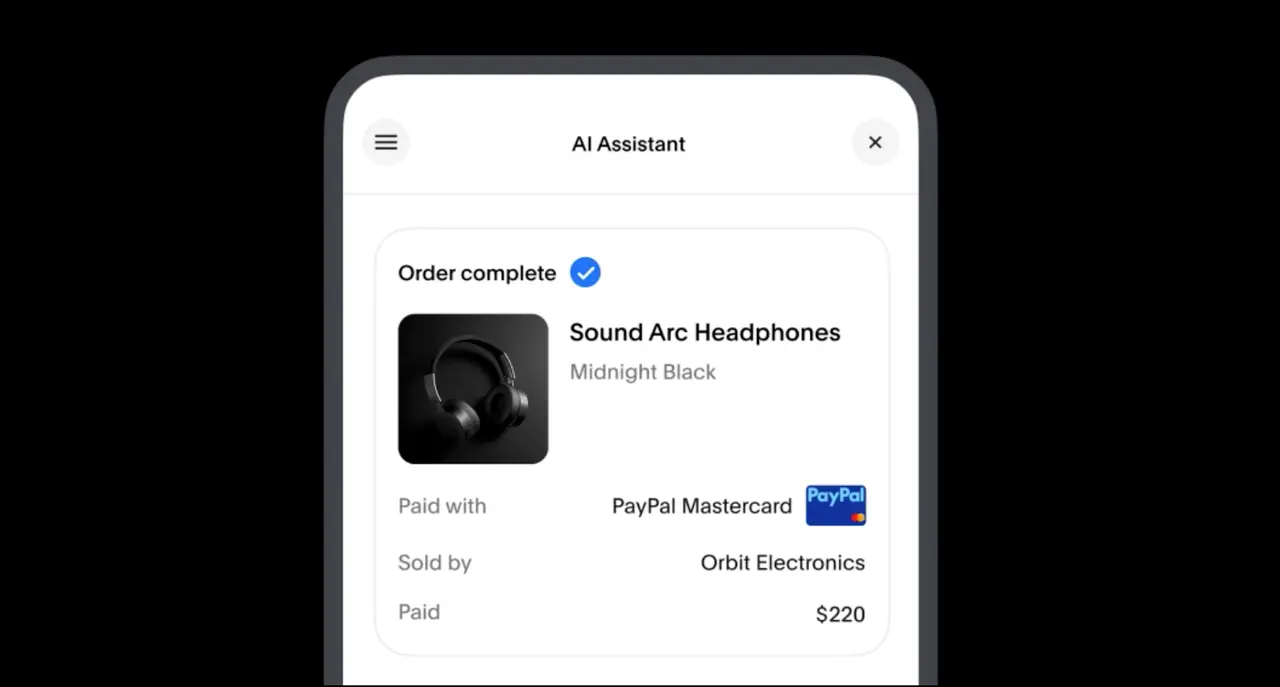
But a new set of terms introduces an important exception.
Effective November 23, 2026, PayPal's new PayPal Checkout – Agentic Virtual Card payment type allows PayPal to settle certain purchases made through AI shopping agents using a virtual payment card. The policy was announced on November 10 and applies to eligible U.S. business accounts.
For merchants, the distinction matters. A transaction can originate from a buyer's PayPal wallet but reach the merchant through a virtual card, creating a different set of fees, refund requirements and dispute procedures.
Source: PayPal Policy Updates | PayPal's official terms
PayPal's Agent Ready promise comes with eligibility limits
PayPal's Agent Ready proposition is straightforward: merchants already accepting PayPal can connect to participating AI shopping channels without building an entirely new payment infrastructure.
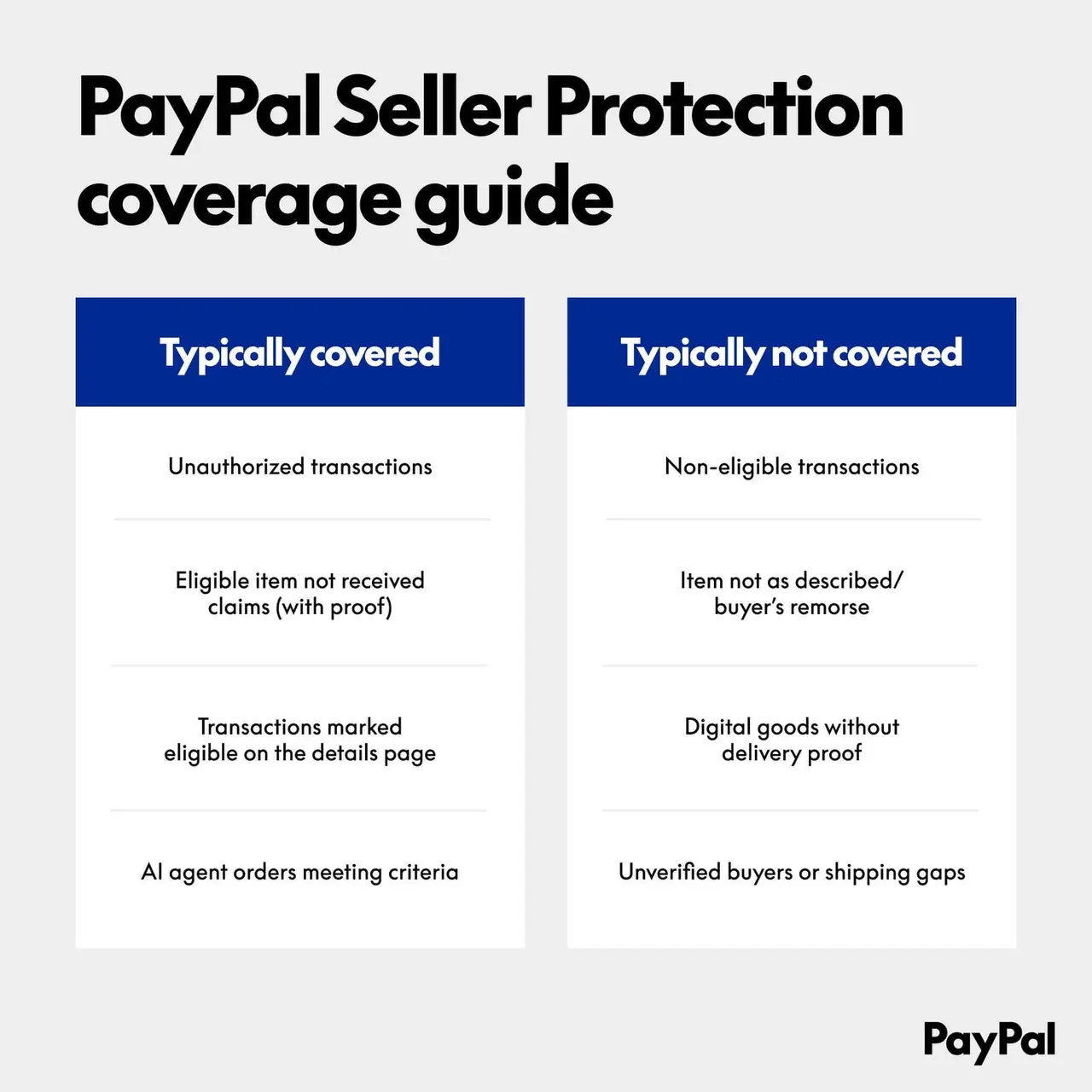
The company also promotes Seller Protection for eligible agent-initiated transactions, particularly unauthorized transactions and item-not-received claims.
However, the protection is not universal. PayPal's own footnote limits Seller Protection to eligible transactions for PayPal Checkout merchants. Enterprise Payments merchants using Braintree face additional restrictions.
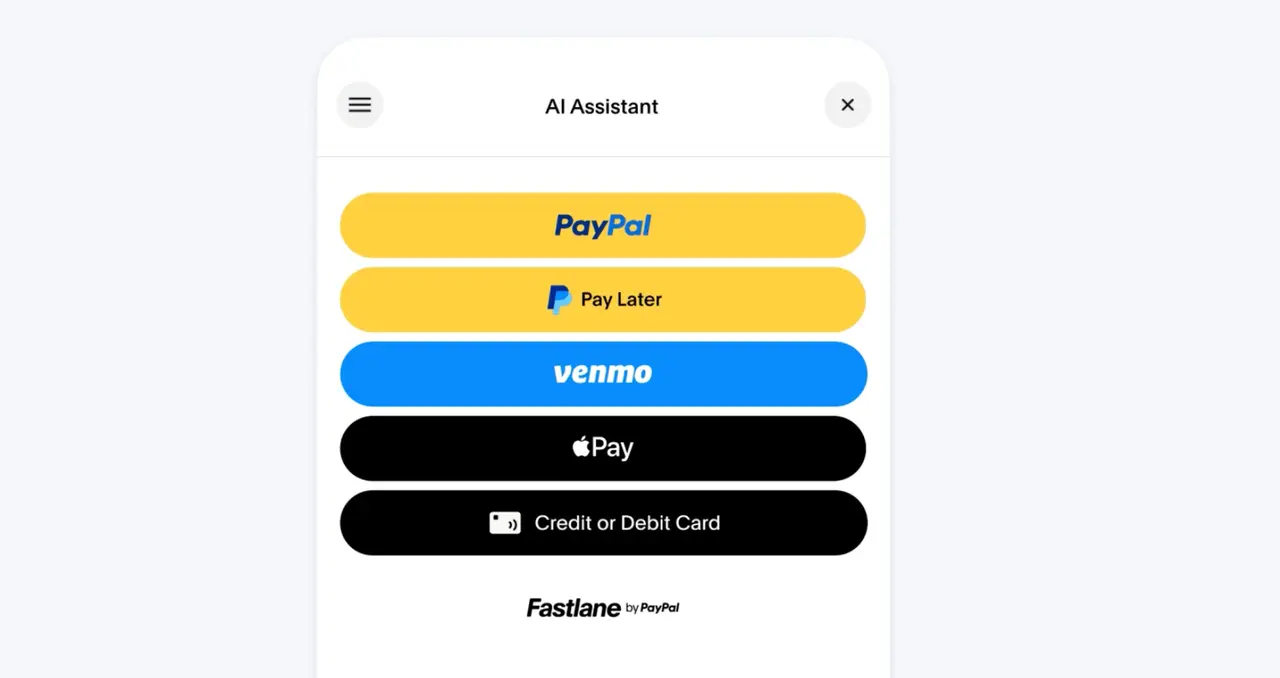
The new virtual-card terms introduce another explicit exclusion.
This is the distinction merchants need to understand: agentic commerce transactions may qualify for Seller Protection, but transactions settled through PayPal's Agentic Virtual Card do not.
Source: PayPal Agent Ready | Seller Protection Program
Virtual-card settlement changes the rules behind the payment
When a buyer authorizes a PayPal payment through an AI agent, PayPal may provide the agent with a virtual payment card to settle the funds with the merchant.
The virtual card is different from the funding instrument held in the buyer's PayPal wallet.
In practice, this creates two distinct payment outcomes:
| Eligible agentic PayPal transaction | Agentic Virtual Card transaction | |
|---|---|---|
| Settlement | Subject to the applicable PayPal payment arrangement | Settled through a virtual card |
| Seller Protection | May apply if all eligibility requirements are met | Not eligible |
| Disputes | Subject to applicable PayPal terms | Card-network chargeback process |
| Acceptance fees | Depend on the applicable PayPal agreement | Merchant pays processor and card-related fees |
| Refunds | Follow applicable PayPal refund rules | Must be credited to the same virtual card |
The financial implications are significant.
Under the new terms, merchants are responsible for the costs of accepting the virtual card, including payment card network fees, interchange and assessments under their agreements with card processors.
These costs may differ from the fees merchants normally pay for PayPal Checkout or for the original payment instrument in the buyer's wallet.
Refunds also have a specific requirement. Full refunds, partial refunds and price adjustments must be credited to the same virtual card through the processor that handled the original transaction. Merchants cannot issue these refunds in cash, by check, as store credit or through another payment method.
Source: PayPal Agentic Commerce Merchant Virtual Card Terms, Sections 1, 3 and 4
Why does losing Seller Protection matter more for agent orders?
The new exclusion comes at a time when merchants are already concerned about who bears the risk when an AI agent makes a purchase.
A November 2026 report from Wind River Payments, covering more than 200 independent software vendors and merchants in the United States, found that:
- 41% of merchants identified disputes and chargebacks as a leading concern.
- 40% cited fraud and misuse.
- 39% were concerned about verifying whether customers had authorized purchases.
The problem is not simply whether an AI agent can complete a checkout. It is whether the merchant can establish that the purchase was genuinely authorized when something goes wrong.
Consider a buyer who asks an AI agent to find and purchase a product. The agent completes the order, but the buyer later disputes the transaction, claiming they authorized the agent to shop but never approved that particular purchase.
Who is responsible?
Under the applicable card-network rules, the merchant of record still handles the dispute and representment process. Stewart Watterson, a strategic advisor at Datos Insights, told E-Commerce Times that merchants remain responsible for disputes under the network rules published so far.
The new PayPal terms make that exposure particularly relevant to Agentic Virtual Card transactions: the merchant must respond to chargebacks through its card processor, and the outcome is determined under the relevant card-network rules.
Source: E-Commerce Times, November 19, 2026
The PayPal label does not tell you how the transaction is settled
There is another detail worth paying attention to.
When PayPal provides merchants with information identifying an Agentic Virtual Card transaction, the terms require merchants to display the payment method as "PayPal" to buyers on order pages, confirmations and receipts. Merchants must not expose the virtual card number or card-network details.
That means a buyer-facing PayPal label does not necessarily mean the merchant receives the transaction through the usual PayPal settlement route.
PayPal's terms leave the processing and settlement details to the merchant's checkout configuration and card processor agreement.
The company has not established in these terms exactly how every platform, including Shopify, will display or classify such transactions in its merchant administration interface. Nor do the terms establish that every Shopify store will receive these payments through Shopify Payments.
Merchants should therefore avoid assuming that the payment label in their order records tells the whole story.
Source: PayPal Agentic Commerce Merchant Virtual Card Terms, Sections 1 and 6
What merchants should check before agent orders scale
For merchants accepting PayPal, the immediate priority is to understand how their payment processor handles this new transaction type.
Before agent-driven orders become a larger part of holiday sales, merchants should:
- Ask their card processor: How will Agentic Virtual Card transactions be identified, settled and charged? What fees apply, including chargeback fees?
- Review refund procedures: Can the store process refunds and partial refunds back to the original virtual card through the same processor?
- Keep authorization records: Preserve what the buyer authorized the AI agent to do, what products or conditions the agent was allowed to choose, and what the agent actually purchased.
- Prepare for chargebacks: Make order records, product details, delivery confirmation, customer instructions and return documentation easy to retrieve.
The last point is especially important. Without PayPal Seller Protection for these transactions, merchants will need to rely on the evidence available under the card-network dispute process.
PayPal's new terms do not mean every AI-assisted purchase will become a virtual-card transaction. But they establish a clear distinction for those that do.
The question for merchants is no longer simply whether they accept PayPal. It is how PayPal settles an AI agent's purchase, and who bears the risk when that purchase is disputed.
Sources · 6 · paypal.com, pep.paypal.com, paypal.ai +2
Ask AI next
- Can merchants opt out of accepting PayPal's Agentic Virtual Card transactions, and if so how?
- What exactly makes a PayPal business account eligible for the new Agentic Virtual Card terms?
- How does an AI shopping agent technically obtain and use PayPal's virtual card during checkout?
- Are other payment processors excluding AI agent orders from seller protection like PayPal just did?
- What tools can merchants use to track and respond to Agentic Virtual Card chargebacks efficiently?