All stories · Case study
Ridge's repeat purchase rate reportedly jumped from 6% to 33% by selling more products
A viral retention case study points to a growth lever that has little to do with email: expanding the product catalog. According to a thread by @growthnoir, Ridge increased its one-year repeat purchase rate from 6% to 33% by moving beyond wallets.
Share: WhatsApp · Telegram · X · Facebook · LinkedIn · Email

The lesson for Shopify sellers is straightforward: before rebuilding your email flows, check whether customers have another reason to buy.
Max Sturtevant@maxwellcopyGive me 75 minutes and I’ll teach you the #1 retention strategy going into 2027.
Timestamps:
0:00 Intro
1:22 Why your CAC is never going down again
4:47 Where retention actually starts
6:28 How a 9-figure brand went from 6% to 33% repeat orders without touching email
11:54 The 8 email flows every brand needs
15:03 The offer change that beats giving a bigger discount
24:12 The first 21 days after buying... what do…Nov 22, 2026 · View on X
The 6% to 33% story
On November 22, 2026, email marketer Max Sturtevant (@maxwellcopy) teased a 75-minute retention video. One segment featured a nine-figure brand that reportedly increased repeat purchases from 6% to 33% "without touching email."
The teaser did not name the brand.
Ten days earlier, @growthnoir had published the same figures, attributing them to Ridge.
According to the thread, only 6% of Ridge's wallet customers returned within a year. After expanding into luggage, power banks, rings and chains, phone cases, and drinkware, the rate reportedly reached 33%.
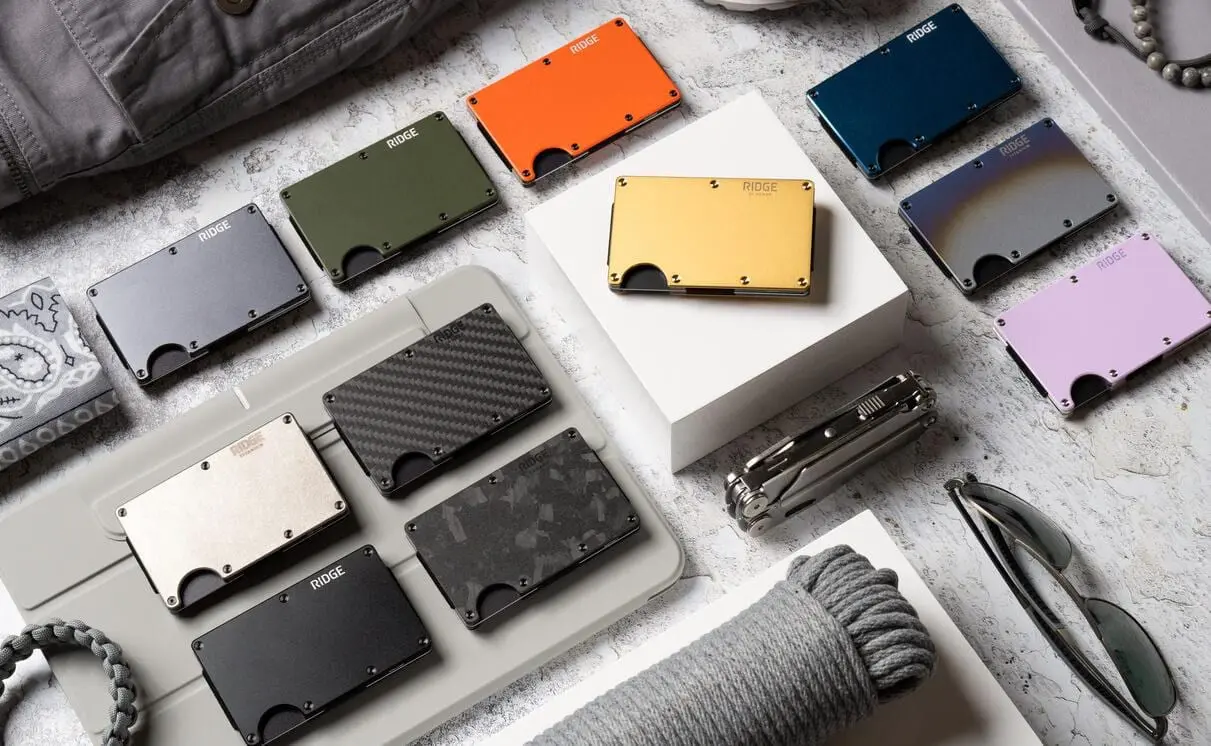
Ridge discovered the limit of selling just one product
Ridge CEO Sean Frank explained the problem in a 2024 interview with Modern Retail.
The average customer buys a wallet roughly once every seven years. Some receive one as a gift. Ridge had customers who loved its products but simply did not need another wallet.
That created a ceiling for repeat purchases.
Ridge began expanding into other accessories, including phone cases and men's wedding bands. The strategy was to turn a wallet business into a broader accessories brand.
The logic is simple: someone who does not need another wallet might need a suitcase, a phone case, or a power bank.
Each new category creates another opportunity to sell to an existing customer.
It also improves customer economics. A customer who buys three times instead of once can generate more lifetime revenue, giving the brand more room to absorb rising acquisition costs.
Check these two numbers before rebuilding your email flows
A repeat purchase rate below 10% is worth investigating, but the next step should be diagnosis, not automatically adding more email campaigns.
1. Median time between the first and second order
Compare the median time to a customer's second purchase with the expected lifespan of your product.
If customers typically use a wallet for seven years, sending a replenishment email 60 days after purchase is unlikely to create genuine demand.
The same applies to furniture, luggage, electronics, and other durable products.
Maxwell's post-purchase flow advice makes the same point: examine the time between orders before building automated flows.
2. Twelve-month repeat purchase rate
Measure the percentage of first-time buyers who place another order within 12 months.
The @growthnoir thread uses 10% as a warning threshold. Everboost's industry benchmarks put luxury products at approximately 10% and ecommerce overall at 25% to 30%.
These are reference points, not universal targets. A luxury wallet brand should not be measured against the same expectations as a consumables business.
Shopify sellers can use Customer Cohort Analysis to track repeat purchases by the month or quarter in which customers first ordered. This reveals whether newer customer groups are returning and how retention changes over time.
Email cannot create demand for a product customers do not need
Email marketing and product expansion have different jobs.
- The catalog creates a reason to buy again. New products give existing customers another reason to spend.
- Email brings that opportunity to customers. It introduces new products, recommends relevant items, and encourages another purchase.
Sean Frank has discussed email, SMS, post-purchase marketing, and new products together as part of Ridge's growth strategy in a post on X.
Neither lever replaces the other. A broader catalog creates more opportunities for retention marketing to work.
What is your second product?
For Shopify stores that depend heavily on paid acquisition, repeat purchase rate directly affects how much they can afford to spend acquiring customers.
Before investing in another email overhaul, ask:
- How long does it take customers to place a second order compared with your product's lifespan?
- What percentage of first-time buyers return within 12 months?
If customers like your product but have no reason to buy it again, the next growth opportunity may be a new product category.
What is the second product your brand could sell to an existing customer?
Share your experience with product expansion, including what worked, what failed, and how it affected repeat purchases.
Ask AI next
- How do I calculate the median time between a customer's first and second order in Shopify?
- What criteria should I use to pick my next product category to boost repeat purchases?
- Was Ridge's repeat-rate jump driven mainly by new products, or also by added marketing spend and brand growth?
- Has this one-product-to-catalog-expansion strategy worked for DTC brands outside premium accessories?
- What tools can identify which complementary product category my existing customers would buy next?