All stories · Article
Supplement landing pages must address what buyers doubt
A supplement landing page built around cartoon gummies fighting digestive trouble has been making the rounds on X. Instead of clinical explanations, it turns gut health into a simple story that anyone can follow.
Share: WhatsApp · Telegram · X · Facebook · LinkedIn · Email
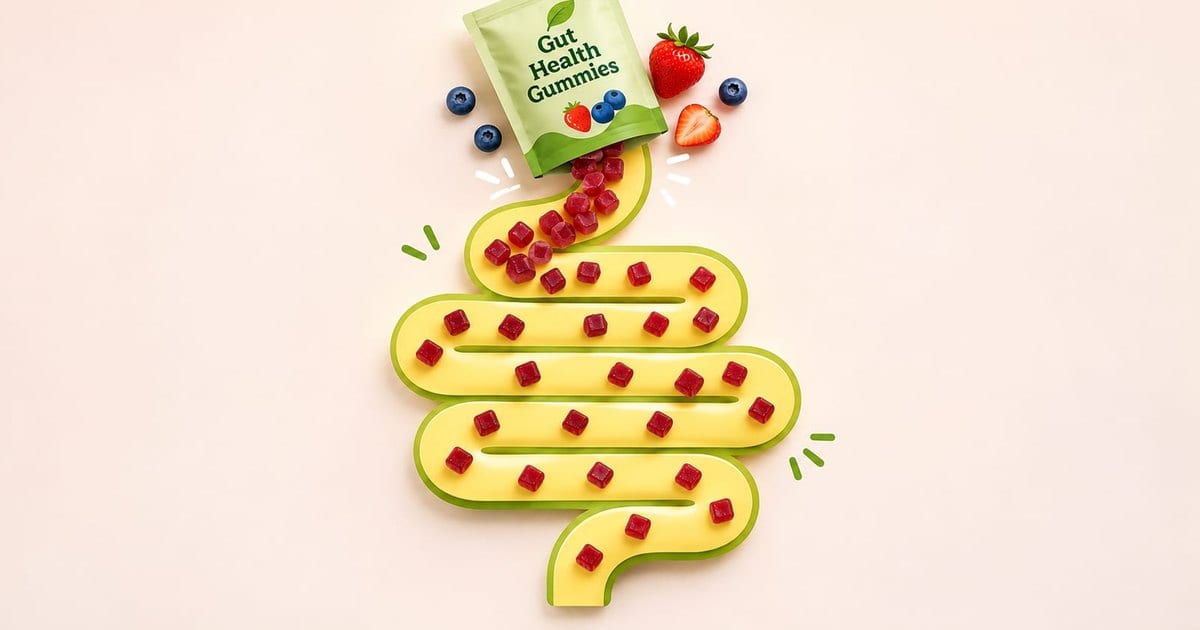
The concept, shared by DTC landing-page agency @stepanecom on October 30, was designed for Grüns. Its premise is straightforward: adults are tired of reading complicated supplement pages.

It is an appealing idea, especially for brands preparing their product pages ahead of Black Friday. But there is another side to the story.
One brand. Two very different ways to build trust.
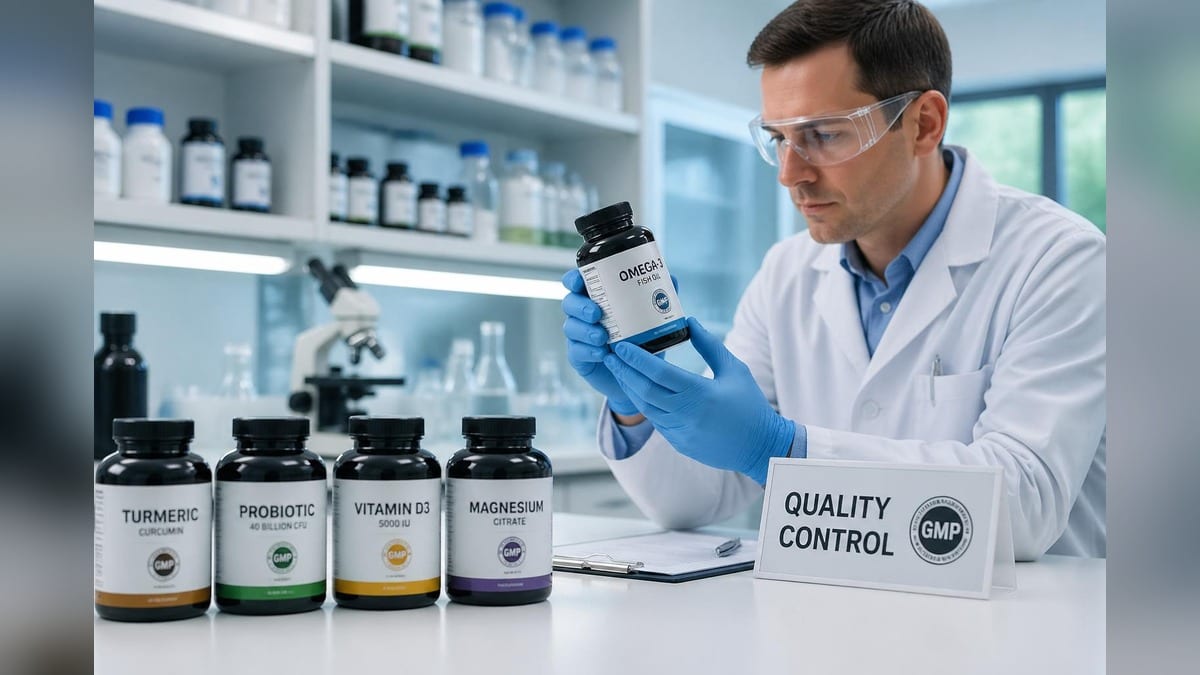
Just two days earlier, on October 28, @Swarith_Ala shared a spec ad for Grüns built around a completely different visual language: a laboratory, white coats and a clinical setting.
One concept makes gut health feel simple and approachable. The other uses scientific imagery to signal credibility.
Both are concepts, not verified campaigns. Neither post provides public A/B test results showing that one approach converts better.
That distinction matters. A creative concept getting attention on X does not make it a proven landing-page strategy.
So, should supplement brands replace scientific language with everyday storytelling?
Not every skeptical customer has the same concern.
A discussion in the Shopify Community offers an interesting, though limited, clue.
These figures are self-reported coding, not a representative consumer study. They should not be treated as industry-wide benchmarks.
But they point to a useful distinction.
A customer asking, "How does this ingredient support digestion?" needs a clear explanation.
A customer asking, "How do I know this brand is legitimate?" needs something else: verifiable ingredients, transparent sourcing, credible evidence and clear business information.
Changing the tone of the explanation may help with the first concern. It will not automatically resolve the second.
Plain language is not the same as making bigger promises.
There is also a regulatory boundary that supplement brands cannot ignore.
The FDA allows certain structure/function claims describing how nutrients or ingredients support normal bodily functions. One of its own examples is remarkably simple: "fiber maintains bowel regularity."
In other words, a claim does not need to sound clinical to be acceptable.
However, supplement claims must not explicitly or implicitly suggest that a product diagnoses, treats, cures or prevents disease. Applicable structure/function claims also have substantiation, notification and disclaimer requirements.
Read the FDA's guidance on structure/function claims.
The FTC adds another important consideration: regulators look at the overall impression an advertisement creates, not just the words in its headline.
That includes images, product names, illustrations and the story surrounding the product. A cartoon showing gummies defeating a digestive problem may communicate more than the accompanying copy explicitly says.
A disclaimer cannot automatically fix an otherwise misleading message.
Read the FTC's Health Products Compliance Guidance.
Start with customer questions, not another design trend.
Before rebuilding a landing page, look at the questions potential buyers repeatedly ask in emails, live chats, reviews and social comments.
Group them into two categories:
Questions about the product
- How does this ingredient work?
- What does it actually support?
- How long should I use it?
- What makes this formula different?
Questions about the brand
- Where do the ingredients come from?
- Can I verify the quality or testing?
- Who makes this product?
- What happens if it does not meet my expectations?
Then fix the part of the page that corresponds to the real hesitation.
If customers struggle to understand the mechanism, simplify the explanation. If they doubt the brand, improve the evidence and transparency. If both appear frequently, the page needs both.
And if you run an A/B test, do not judge the winner by conversion rate alone.
Matt Carter, writing in Search Engine Journal, recommends looking beyond the initial purchase to refunds, customer-service interactions and repeat purchases. A page that generates more orders but also creates unrealistic expectations may not be the better performer in the long run.
The question is not which style looks more convincing.
The two Grüns concepts show how differently the same supplement brand can communicate. But without actual test results, neither storytelling nor clinical imagery has earned the right to be called the winner.
The more useful starting point is understanding what buyers need to believe before they purchase.
Have you tested plain-language storytelling against a more scientific product page? What did you measure beyond conversion rate?
Share your experience, including tests that did not work. For supplement brands, those results may be more useful than another attractive landing-page concept.