All stories · Article
The welcome flow blind spot in BFCM marketing
With Black Friday approaching, brands are increasing ad spend to bring in new customers. But many are still sending those customers through welcome flows built months, or even years, ago.
Share: WhatsApp · Telegram · X · Facebook · LinkedIn · Email

That creates a problem at exactly the moment when email matters most.
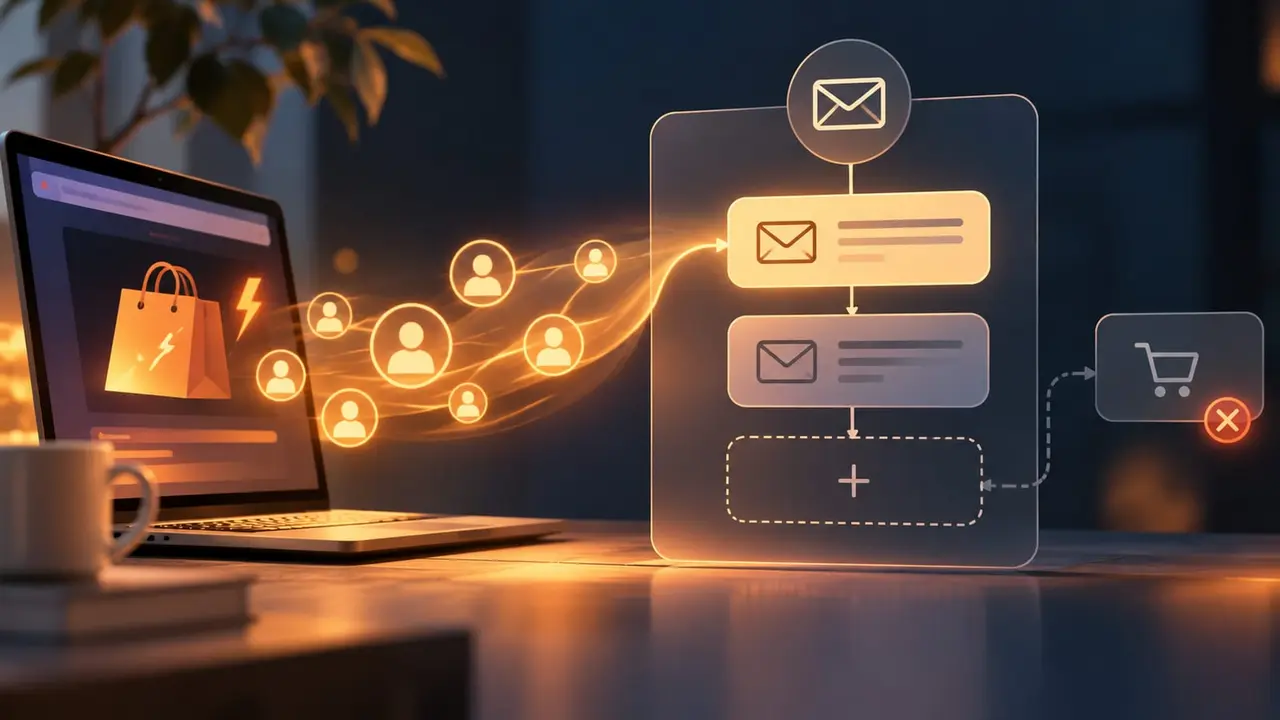
On November 18, email marketer @umzrs posted a general observation: brands spend $500k on Black Friday ads, then send those new customers into a welcome flow last updated in 2022.
The gap is familiar: marketing campaigns are rebuilt for November, but automated flows keep running as if it were March.
And the advice on how to fix them is surprisingly divided.
Two opposing approaches to the same welcome flow
Should a BFCM welcome series lead with a discount or continue telling the brand story?
There are two distinct schools of thought.

Lead with the deal.
Max Sturtevant argues that BFCM subscribers are ready to buy. Put the offer at the top of every email, compress the welcome sequence into 24 hours, and save the brand story for after the sale.
Attentive, quoting Kaleena Zagrzebski, Senior Retention Strategist at Maze, makes a similar recommendation: lead with the offer during the sale, then split follow-up content based on whether someone has purchased.
Keep the brand story.
ContentClicks takes a different approach. Replace the welcome discount with the current BFCM offer, but keep the rest of the sequence, including its brand storytelling, intact.
These approaches genuinely disagree on how much of the welcome flow should change.
But they share one important principle: the welcome offer should not be weaker than the promotion already available on the store.
If the site offers 30% off while the welcome email offers only 15%, the welcome flow is giving subscribers a worse deal than the one that brought them there.
The bigger retention problem starts after the first order
The debate focuses heavily on converting new subscribers. But the more difficult problem is getting those customers to buy again.
Ometria's Black Friday 2025 report found that just 4% of customers acquired during Black Friday 2024 made another purchase within the following 12 months.
They were six times less likely to return than typical new customers in Ometria's retail customer data.
That is a significant retention gap. Acquiring a customer during a major sale does not automatically create a customer who will return at full price.
BS&Co's research offers another useful perspective on when those repeat purchases happen.
Its initial analysis of 8,076 first-time BFCM buyers across multiple DTC brands found an 11.5% repurchase rate within 90 days.
But the more interesting finding came from its September 2026 update.
BS&Co followed a smaller subset of 2,838 first-time BFCM buyers for up to 300 days. Of the 416 customers who eventually purchased again, 147 returned after day 90.
That means 35% of eventual repeat purchasers had not come back within the first 90 days.
The update changes how brands should interpret the retention window. A customer who has not purchased again by day 90 is not necessarily a lost customer.
The first 30 days still matter. In the updated cohort, 46.4% of eventual repeat purchasers placed their second order within that period. But the remaining customers continued returning throughout the following months.
Source: BS&Co, BFCM Customer Retention Benchmarks. The 90-day and 300-day figures come from different sample groups and should not be treated as a direct before-and-after comparison.
Different customers need different retention strategies
The two approaches make more sense when the audience is separated by purchase behavior.
For subscribers who have not purchased: lead with the BFCM offer.
They signed up during a promotion and are likely comparing deals. Make the current offer easy to find, ensure the welcome discount matches the sale, and remove unnecessary delays between emails if the promotion is time-sensitive.
For customers who have already purchased: build a reason to return.
They no longer need a first-order welcome message. They need product education, useful follow-ups, relevant recommendations, and a reason to trust the brand beyond its discounts.
The first 30 days deserve particular attention, because a substantial share of repeat purchases happens early. But do not automatically remove these customers from retention campaigns at day 90.
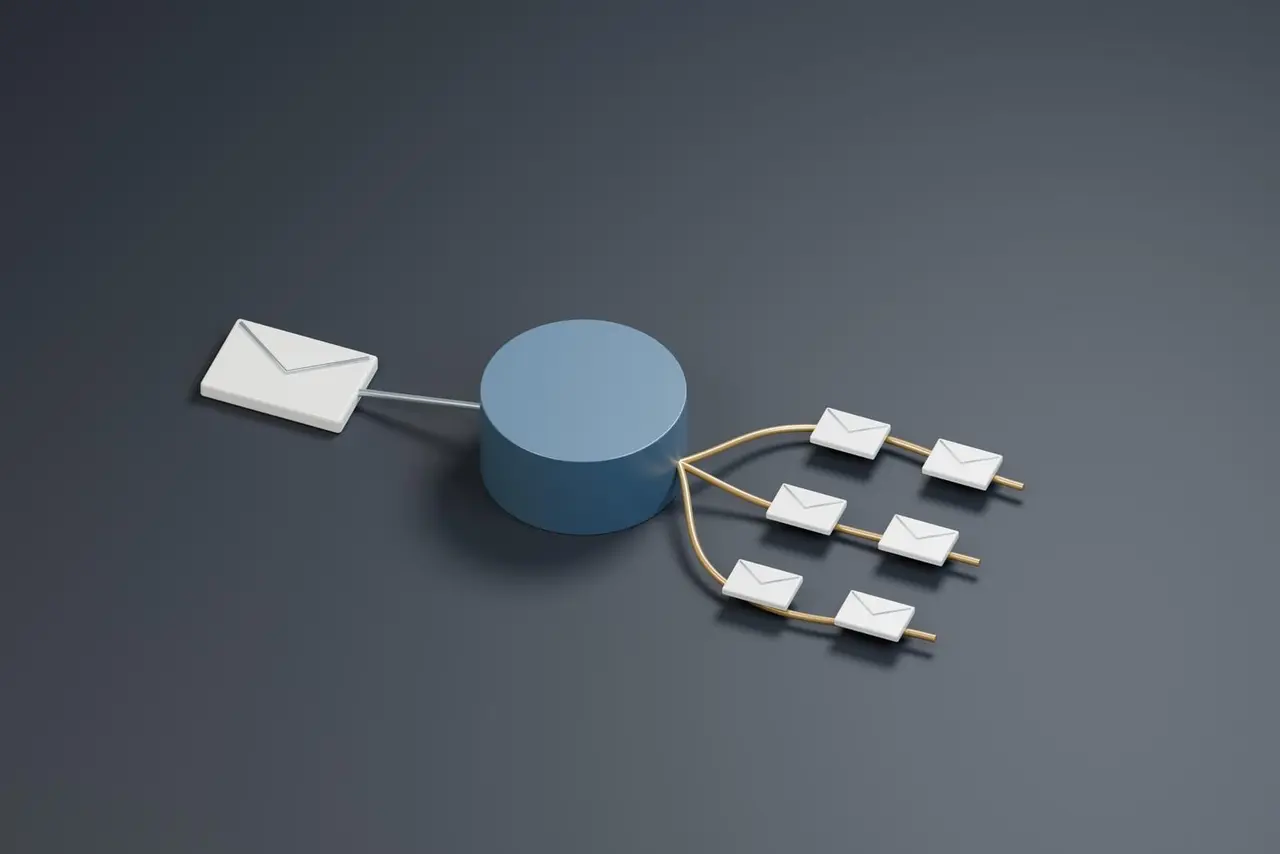
This is also practical to implement. Klaviyo's post-purchase flow guidance recommends using conditional splits to distinguish first-time buyers from returning customers. Its welcome series guidance also explains how to separate subscribers who have never purchased from those who have.
The takeaway is straightforward: one welcome flow should not treat every subscriber the same.
Before Black Friday, check whether your welcome offer matches the promotion on your site. Then make sure buyers and non-buyers are not receiving the same follow-up messages.
After the sale, keep BFCM customers in your retention strategy beyond the first 90 days.
The question for other Shopify sellers: During BFCM, do you lead with the deal for non-buyers and switch to brand-building for buyers? And how long do you keep first-time BFCM customers in your retention campaigns before considering them inactive?