All stories · Article
Why post-purchase emails should continue after customers receive their order
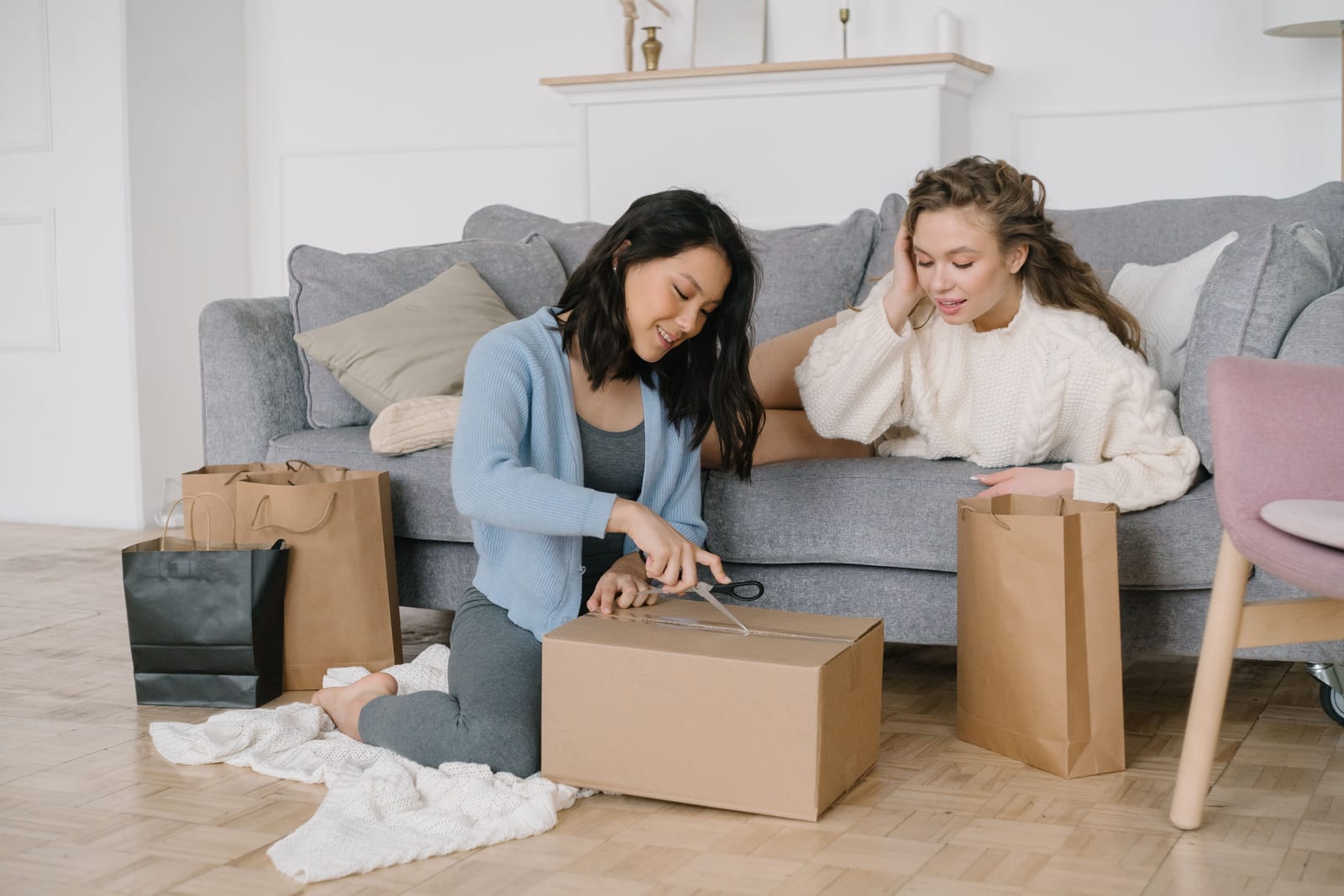
The order has been delivered, the customer has received it and opened the box. What can you do now to give them a reason to shop with you again?
Share: WhatsApp · Telegram · X · Facebook · LinkedIn · Email
Sophie Penny, an Email Marketing Specialist, wrote on LinkedIn on October 14, 2026 about a pattern she often sees when reviewing email accounts: “A common mistake is letting communication stop as soon as the customer receives their order.”
We think delivery is when email has some of its most useful work to do. The customer is just starting to use the product, so the first email after delivery should help them get the most out of what they bought before suggesting anything else.
Don’t let your email flow end with shipping updates
If your post-purchase flow is built only around the order, with a confirmation, shipping update, and delivery notification, it runs out of things to say as soon as the package arrives.
That leaves a gap right when customers may need help most.
Eileen Lee, now a Founding Account Executive at Keeyu, previously worked at Gorgias and Loop. She shared that at Gorgias, she regularly saw customer support tickets, while at Loop, she saw product returns. Both gave her a view of problems that surfaced after a purchase, often after the customer had already had a disappointing experience.
That suggests many customer questions and issues appear only after the product is in their hands. They may show up as a support message or a return request. If your emails go quiet at that point, customers may be left to figure things out on their own.
Your product, pricing, and delivery experience all affect whether customers come back. Your email flow is something you can improve without changing your product or prices, so it’s a practical place to start.
The first email after delivery should help customers avoid common mistakes
If the gap comes when customers start using a product, the next question is what to put in that email. One LinkedIn post about retention emails offers a useful starting point: “The best retention emails are often written around the customer’s next mistake.”
For a store that has just delivered an order, that “next mistake” is something the customer might get wrong when using their new purchase. Depending on the product, they might store it incorrectly, skip an assembly step, use the wrong amount, or give up before seeing results. An email that addresses one of these issues is relevant to what the customer is doing right now, and gives them a reason to open and read it.
To find out where customers commonly go wrong, start with the places Eileen Lee mentioned:
- Review messages customers send after delivery and group recurring questions.
- Look at the reasons for exchanges and returns from the past three months.
- Use the most common issue as the topic for your first post-delivery email.
Send this email when customers are likely to start using the product, not necessarily on the day it arrives. Some products are used as soon as the box is opened. Others may sit for a few days first.
Recommend products that help customers get more from what they bought
If one email has already explained how to care for a product, a follow-up email featuring a storage accessory may come across as helpful advice rather than a sales pitch.
A guide to post-purchase cross-sells puts the principle simply: “Recommend products that make the first purchase better.” Replacement parts, complementary products, and storage items are good categories to consider, even if they aren’t your store’s bestsellers.
Keep these as two separate emails, and send the cross-sell later. Customers need time to try their first purchase and discover what else they need. Then your recommendation is more likely to match a real need.
Three questions to review your current email flow
Open your email platform and check whether your current flow covers the points above:
- Does the flow include any emails sent after the customer receives their order?
- Does any email explain how to use or care for the product they bought?
- What products does your cross-sell email recommend, and are they relevant to the original purchase?
If the answer to the first question is no, start by adding an email after delivery. The second question helps you decide what that email should say. The third helps you check whether your cross-sell recommendation is a good fit.
When customers open the box, your store has plenty to talk about: how to use the product, how to care for it, and what else might help. Your email flow shouldn’t stop at order updates. It should help customers use and care for their purchase before they have to ask for help.