All stories · Article
Walmart's ad business grew 37%, but AI agents threaten its retail media model
Walmart's advertising business is still growing at a double-digit pace, but its latest earnings call exposed a question that could reshape the economics of retail media: what happens when AI agents choose products instead of shoppers browsing retailer websites?
Share: WhatsApp · Telegram · X · Facebook · LinkedIn · Email

On November 19, 2026, Walmart reported that advertising in its U.S. business grew 37% in the third quarter of fiscal 2027, while Walmart Connect, its retail media network, grew 36%. Yet when an analyst asked how the company would protect advertising earnings in an agent-driven shopping environment, Walmart's chief growth officer offered no figures or concrete advertising model.
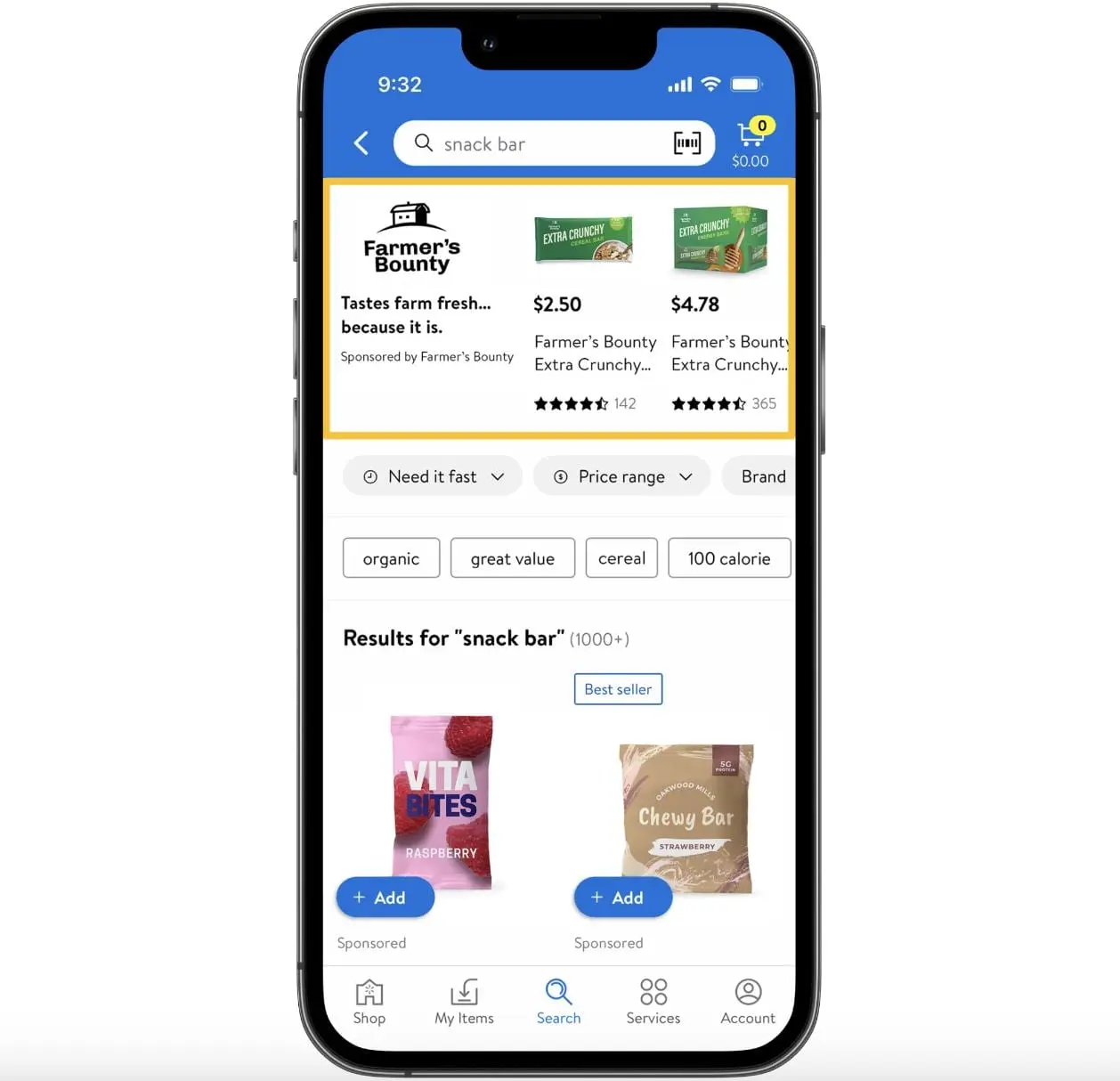
The distinction matters. Walmart's advertising business is performing well today. What remains uncertain is whether that growth can continue when AI agents increasingly control product discovery and purchasing decisions.
Advertising is doing more than generating revenue for Walmart
Walmart's third-quarter results show that advertising remains one of its strongest growth businesses.
For the three months ended October 31, 2026:
- Global advertising revenue grew 25%.
- Advertising in Walmart U.S. grew 37%, including VIZIO and Vibe.
- Walmart Connect grew 36%, excluding those businesses.
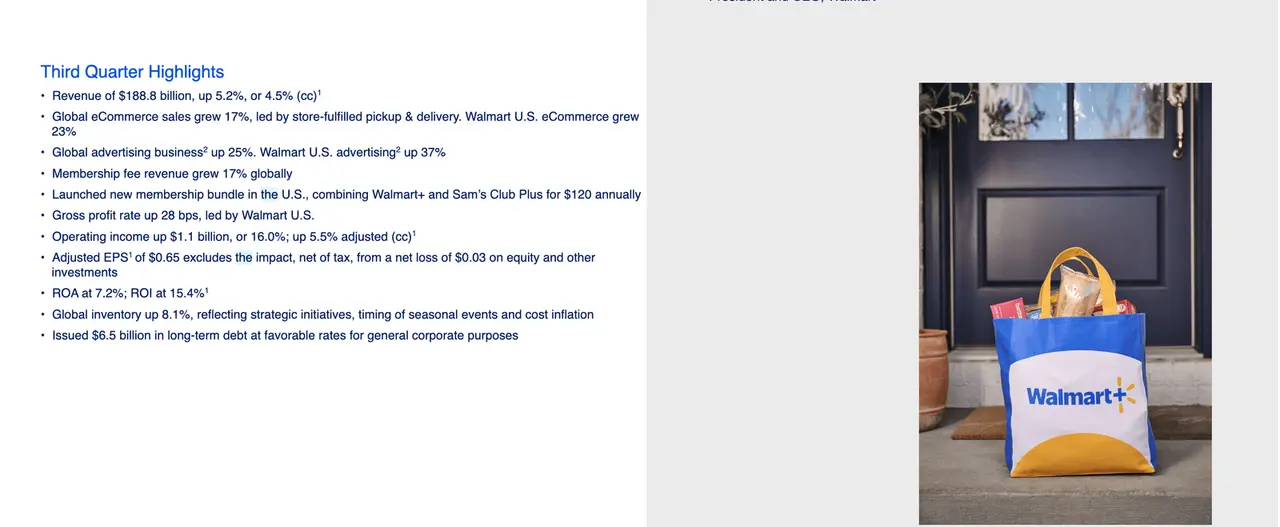
The U.S. advertising figure is particularly important because advertising has become closely tied to the profitability of Walmart's eCommerce operation.
During the earnings call, CFO John David Rainey said Walmart's U.S. eCommerce business was approaching break-even without advertising revenue. He also reported incremental margins above 12% for the quarter, with advertising and membership contributing to the improvement.
His comments suggest that advertising is now responsible for a substantial share of the profit generated by Walmart's U.S. online business. That is an interpretation of his remarks, not a profit contribution figure Walmart separately disclosed.
This helps explain why the rise of AI shopping agents has become a financial question, not simply a technology discussion.
If agents increasingly make product selections without sending shoppers through Walmart's website or app, advertisers could lose access to some of the browsing and discovery opportunities that make retail media valuable.
Source: Walmart Q3 FY2027 earnings release | Earnings call transcript
Walmart was asked directly how it would protect advertising in an agent-driven world
The issue moved from industry speculation to an investor question during the November 19 earnings call.
Scot Ciccarelli, an analyst at Truist Securities, asked how Walmart planned to protect advertising earnings in a world increasingly dominated by AI agents, particularly as Amazon was restricting third-party agents from accessing its website.
Seth Dallaire, Walmart's chief growth officer, acknowledged that shopping behavior inside AI agents is different from traditional eCommerce.
He explained that conversational shopping creates different queries and prompts, and that Walmart is still learning how to help brands place their products in front of customers in these new environments.
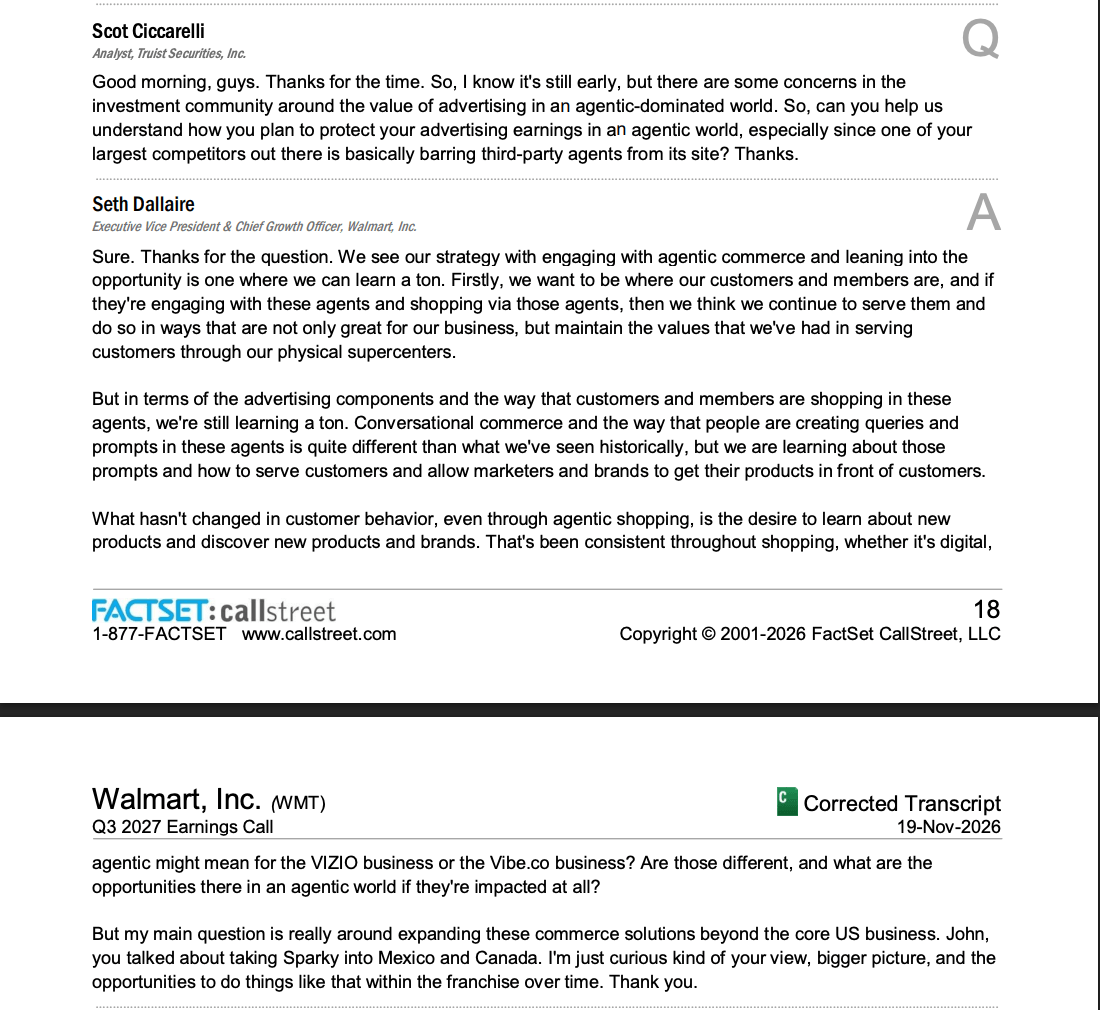
His central argument was that one consumer behavior has not changed: people still want to discover new products and brands.
That gives Walmart a reason to believe brand advertising will remain relevant, even as shopping moves into AI-powered interfaces.
But the answer left several important questions unresolved:
- How will sponsored products appear when an AI agent recommends items?
- Will brands be able to pay for visibility inside Sparky, Walmart's own AI shopping assistant?
- How will advertising work when customers shop through third-party agents?
Walmart did not provide advertising revenue forecasts or explain how these placements would be measured.
Source: Walmart Q3 FY2027 earnings call transcript, November 19, 2026
A retail media dollar now has three potential places to be seen
The shift towards agentic commerce makes it useful to distinguish between three advertising environments. They offer very different levels of visibility and commercial certainty.
1. Walmart's website and app: measured growth
This is the established retail media environment.
Brands pay to promote products across Walmart's digital properties, including sponsored placements that reach shoppers as they browse and search.
The latest results provide a clear performance indicator: Walmart Connect grew 36% year over year in Q3 FY2027.
This is where advertisers currently have the clearest evidence of growth and an established advertising model.
2. Sparky: advertising is being tested, but the numbers are missing
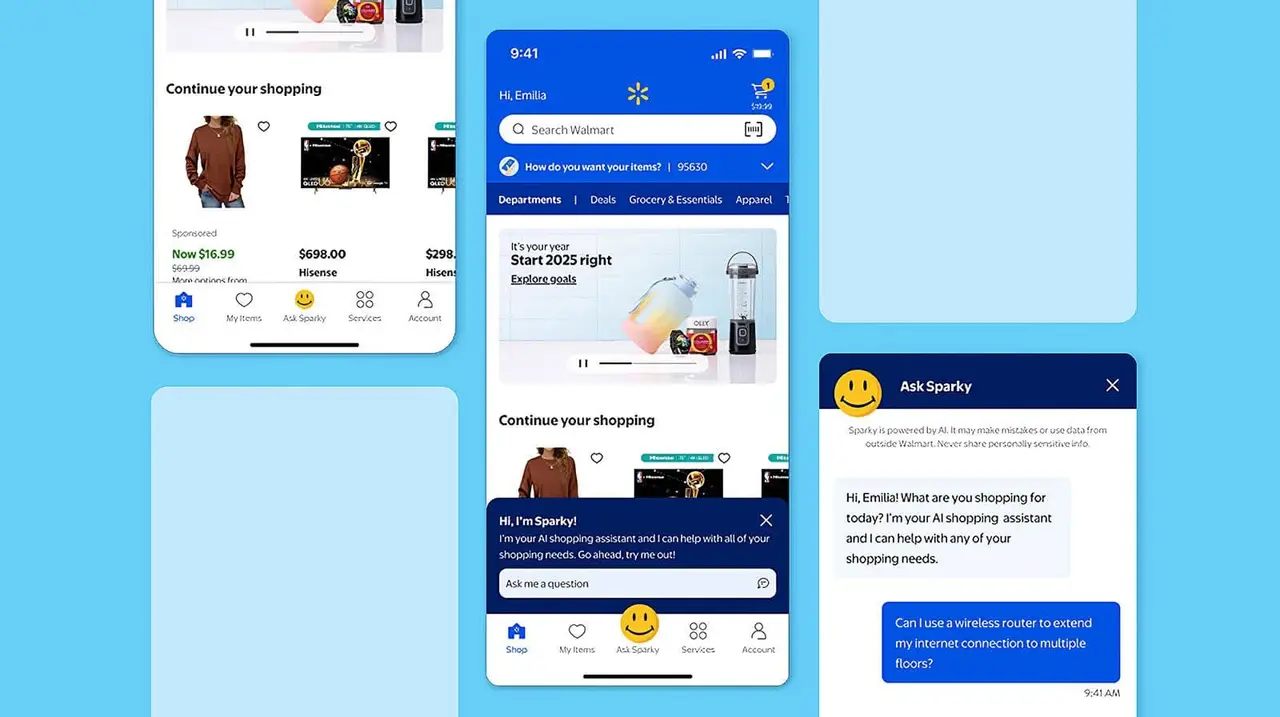
Sparky is Walmart's own AI shopping assistant. It helps customers discover products and build shopping baskets through conversational interactions.
Walmart said Sparky usage in the U.S. grew 129% year over year in the third quarter, while baskets created through the assistant expanded 40%.
These figures demonstrate growing engagement with Walmart's AI shopping experience. They do not represent advertising revenue.
Reuters reported in November that Walmart had started testing advertising inside Sparky. However, Walmart has not publicly provided a breakdown of advertising revenue from the assistant or established how sponsored placements will operate at scale.
Amazon is also experimenting with advertising in its AI shopping experiences, including Alexa for Shopping.
The direction is clear: retailers are exploring ways to bring advertising into the assistant itself. The commercial model is still developing.
3. Third-party agents: access exists, but the advertising model is unclear
Walmart is taking a different approach from Amazon when it comes to external shopping agents.
On October 21, Walmart introduced infrastructure that allows approved third-party agents to interact with its shopping environment through the Walmart Agent Gateway. Customers can link agents to their Walmart accounts, manage permissions and set spending limits.
Amazon, by contrast, blocked Meta's Muse shopping agent from accessing its website in September, citing unauthorized access concerns.
However, allowing an agent to shop through Walmart does not automatically mean brands can advertise through that agent.
Walmart has not described a specific advertising mechanism for sponsored products appearing in third-party agent recommendations.
That leaves advertisers with a significant distinction: access to a retailer's product catalog is not the same as access to its advertising inventory.
What advertisers should watch before setting their 2027 budgets
Walmart's latest results do not show that AI agents are already damaging retail media revenue. U.S. advertising growth remains strong, and the company continues to invest in its own AI shopping experience and third-party agent infrastructure.
But the underlying economics are changing.
Traditional retail media depends heavily on shoppers visiting retailer-owned platforms, searching for products and encountering sponsored placements. AI agents can compress that journey into a conversation and a recommendation.
If the agent makes the final selection, brands may need a different way to influence product discovery. Retailers, meanwhile, will need to determine how advertising inventory and customer data work when shopping takes place outside their own interfaces.
For brands and agencies managing retail media budgets, three developments deserve attention:
- Advertising inside Sparky: Will Walmart introduce measurable sponsored placements and disclose their contribution to advertising revenue?
- Advertising through external agents: Will Walmart create a commercial framework that allows brands to pay for visibility in third-party agent recommendations?
- Future earnings disclosures: Will Walmart begin reporting agent-related shopping activity or advertising performance separately?
For now, Walmart's 37% U.S. advertising growth is evidence that its existing retail media business remains strong. It is not evidence that the business model is protected against agentic commerce.
The next competition in retail media may not be about who owns the largest digital storefront. It may be about who controls the moment an AI agent decides which product to recommend.
Sources
- Walmart Q3 FY2027 earnings release, November 19, 2026
- Walmart Q3 FY2027 earnings call transcript, November 19, 2026
- Reuters, November 4, 2026: AI shopping agents could threaten Amazon and Walmart's ad business
- PPC Land, November 19, 2026: Walmart's global ad growth drops to 25% as Flipkart's sale slips a quarter
Ask AI next
- What signals or data do AI shopping agents actually use to decide which product to recommend?
- What concrete changes should a Shopify or D2C seller make now to get recommended by AI shopping agents?
- How can a Shopify or D2C brand measure how much of its sales already come from AI shopping agents?
- Are there any tools today that let brands track or bid for visibility inside AI shopping assistants?
- Besides Walmart and Amazon, which other retailers are building AI agent commerce infrastructure brands should track?