All stories · Article
Wellness is booming, but consumers are becoming harder to convince.
*The global wellness market has reached $2.7 trillion, but a growing number of products are competing for attention with similar health claims. New research suggests that the brands best positioned to win are those that can show consumers why their products work.*
Share: WhatsApp · Telegram · X · Facebook · LinkedIn · Email

The wellness market is growing. But for smaller supplement brands, a bigger market does not automatically mean an easier sale.

According to McKinsey's Future of Wellness 2027 report, the global wellness market is now valued at $2.7 trillion, with the US accounting for more than $700 billion. Yet around 40% of consumers worldwide say existing products and services still fall short of their needs, particularly in longevity, mental health and mobility.
The disconnect is becoming harder to ignore. Consumers have more wellness products to choose from, but they are also becoming more demanding about what those products can actually deliver.
When everyone promises better health, the promise loses its value
Wellness claims are no longer difficult to find.
Through September 2026, approximately one-third of new US consumer packaged goods (CPG) launches carried at least one health or wellness claim, up from 24% in 2021, according to McKinsey.
That includes products promising better sleep, digestive support, immune health, stress relief or additional protein and fiber. Wellness positioning has expanded well beyond traditional supplements into food, beverages, skincare and other everyday products.
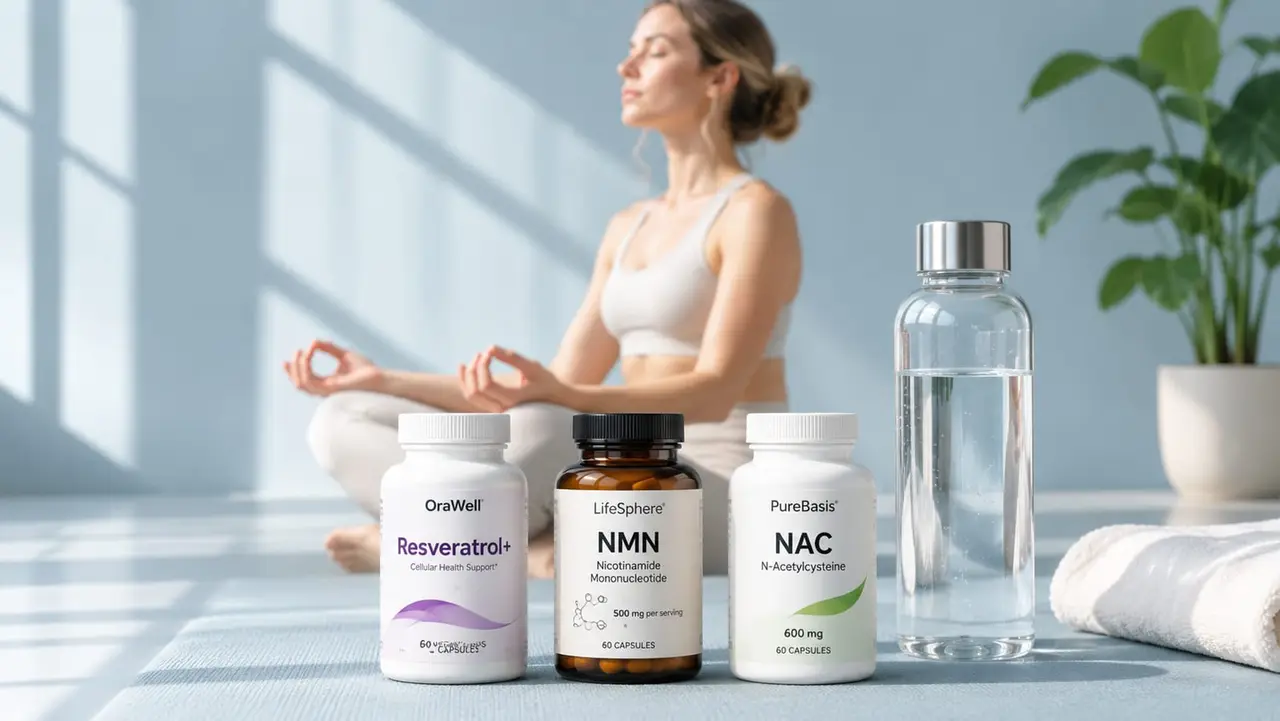
For brands, this creates a more crowded competitive environment. Saying a product supports better sleep or boosts energy may help explain what it does, but those statements alone are increasingly unlikely to distinguish one product from another.
The problem is not a lack of products. It is a lack of meaningful differentiation.
Verifiable claims are gaining commercial ground
Data from Euromonitor International, reported by Premium Beauty News, offers another indication of this shift.
Between Q1 2024 and Q2 2026, global sales of FMCG products carrying concrete, immediately verifiable claims grew by 33%, compared with 18% for products using more generic claims.
FMCG, or fast-moving consumer goods, covers everyday products such as food, beverages, personal care and household goods. The figures are not specific to wellness or supplements, but they reveal a broader change in consumer purchasing behaviour.
The distinction is between claims that consumers can check and claims that ask them to take a brand's word for it.
For example:
- Specific and verifiable: 10g of protein per serving, certified organic, clinically tested at a stated dosage.
- Generic: Natural, healthy, premium, supports wellness.
These figures do not prove that specific claims automatically cause higher sales. They do suggest that products offering something concrete to evaluate are gaining ground faster than those relying on broad positioning.
For a smaller brand competing against dozens of similar products, that distinction matters.
The consumers with the biggest spending power want more evidence
McKinsey's research identifies five types of wellness consumers. Two groups, called maximalist optimizers and confident enthusiasts, account for just over one-third of wellness consumers but more than half of total wellness spending.
Together, they represent approximately 35% of consumers and 55% of spending.
These buyers are more research-driven and place greater emphasis on product effectiveness and quality than on price. For vitamin, mineral and supplement purchases, clear ingredient labels are also among their top five buying considerations.
The broader US market reflects the same shift. McKinsey found that effectiveness and price are tied as the leading factors in wellness purchasing, at 44% each, followed by quality.
There is also evidence that proof can influence purchase consideration. In a separate McKinsey Health Institute survey of high-spending consumers in New York, the share who said they were likely to buy a longevity product was 11 percentage points higher when evidence of effectiveness was provided.
This measures purchase intention, not actual sales or clinical effectiveness. But it highlights the commercial importance of giving consumers something more substantial than a marketing statement.
What this means for supplement brands
The shift is also visible in how major companies are positioning their portfolios.
In September 2026, Nestlé agreed to sell its mainstream vitamin, mineral and supplement (VMS) business to Yellow Wood Partners for $1 billion while retaining its premium, science-led brands.
Speaking at SupplySide Global, Aude Rey, Nestlé's global business head for premium VMS and weight management, described clinical evidence as an increasingly important requirement for the category.
"Proof is now the price of entry in the category," she said, according to NutraIngredients.
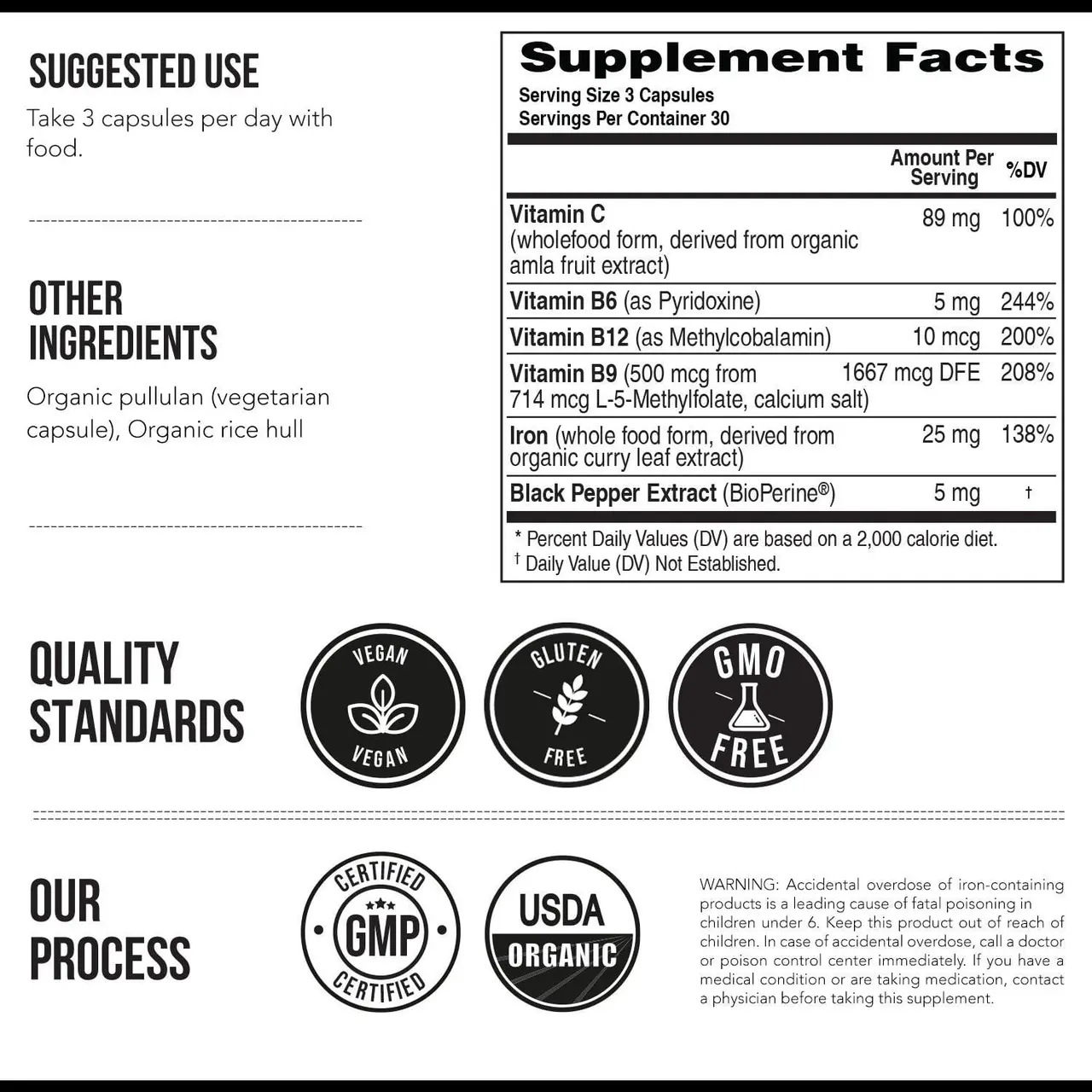
Rey highlighted formulation quality, clinically tested doses, ingredient evidence and certifications as ways to build consumer confidence.
This does not mean every small brand needs the research budget of Nestlé. It does mean that product information needs to be specific, transparent and supported by evidence that the brand can legitimately provide.
Does your product page give consumers something they can verify?
For Shopify supplement and wellness brands, the product page is where these expectations become practical.
A customer should not have to search through multiple pages to understand what a product contains, how much of each ingredient they will receive or what evidence supports its main claims.
Start with your best-selling product and check:
- Ingredients: Is the full ingredient list clearly displayed?
- Dosage: Does the page show the amount of each key ingredient per serving, rather than only listing ingredients?
- Evidence: Are clinical studies, ingredient research, certifications or third-party testing linked where relevant and genuinely available?
- Claims: Can the brand substantiate statements such as "improves sleep", "supports longevity" or "boosts energy"?
- Transparency: Can customers distinguish between evidence about an individual ingredient and evidence about the finished product?
A study on an ingredient does not automatically prove that a finished product delivers the same result. Brands should make that distinction clear rather than presenting ingredient research as direct clinical proof of their own formulation.
The opportunity is not to add more claims to a product page. It is to make the claims already there easier to understand and verify.
The wellness market may continue to grow, but the competitive advantage is shifting towards brands that can explain, support and demonstrate the value of what they sell.
Ask AI next
- If I only have ingredient-level studies, how should I word that on my product page?
- What's a reliable way to A/B test whether switching from generic to verifiable claims actually lifts my conversion rate?
- How widespread is this shift toward verifiable claims across global wellness markets right now?
- Which third-party certifications, like NSF or USP, do consumers actually trust enough to influence a buying decision?
- What early signs would indicate regulators are about to require stricter proof behind wellness claims?